
Bone Abnormalities in Bommanahalli
Evaluation and treatment of structural bone problems in the foot and ankle—relieving pain, correcting deformity, and restoring comfortable mobility.
What are Bone Abnormalities?
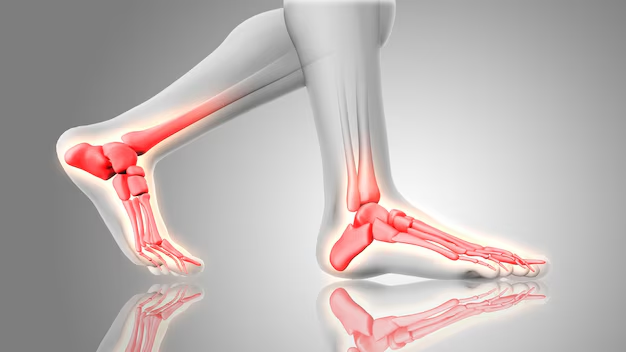
Bone abnormalities are structural changes or deformities that affect the alignment and function of the foot and ankle. Common issues include bunions (hallux valgus), hammertoes, flatfoot (pes planus), high-arched foot (pes cavus), heel bone spurs, malunited fractures, and osteomyelitis-related bone loss. These conditions can cause pain, calluses, corns, recurrent wounds (especially in diabetes), and difficulty with walking or wearing footwear. Timely assessment and correction help prevent long-term disability.
When is Treatment Needed?
- Persistent foot/ankle pain or swelling affecting daily activities
- Noticeable deformity (toe deviation, arch collapse, clawing)
- Recurrent corns/calluses or shoe-wear difficulty due to bony prominence
- Non-healing wounds or ulcers over bony areas (especially in diabetics)
- Instability, frequent sprains, or gait imbalance
- Failed conservative care (insoles, footwear change, physiotherapy)
How the Treatment Works
Management begins with clinical examination, gait analysis, and imaging (X-ray; CT/MRI when needed). Treatment is tailored to the condition and may include:
- Conservative Care: Custom insoles/orthotics, footwear modification, physiotherapy, activity change, pain control.
- Minimally Invasive Corrections: Small-incision osteotomies, spur shaving, and soft-tissue balancing for selected deformities.
- Reconstructive Surgery: Bunion correction (osteotomy), hammertoe correction, flatfoot reconstruction, tendon transfers, or midfoot/hindfoot fusion for advanced deformity or arthritis.
- Post-trauma/Diabetic Limb Salvage: Realignment of malunited fractures, debridement of infected bone (osteomyelitis), and stabilization with plates/screws or external fixation.
Procedures are planned to restore alignment, redistribute pressure points, and protect skin and soft tissues—critical for long-term foot health in active and diabetic patients alike.
Benefits of Correcting Bone Abnormalities
- Pain relief and improved walking endurance
- Better shoe fit and reduced corns/calluses
- Restored alignment, balance, and stability
- Lower risk of ulcers and infections (especially in diabetes)
- Enhanced mobility, confidence, and quality of life
Recovery and Aftercare
Recovery varies by procedure. Minimally invasive corrections often allow early protected walking; reconstructive surgeries may require immobilization and graded weight-bearing for 4–8 weeks. Physiotherapy, wound care, glycemic control (for diabetics), and follow-up imaging ensure proper healing. Long-term use of appropriate footwear and orthotics helps maintain correction and prevent recurrence.
Why Choose Specialized Foot & Ankle Care?
Expertise in deformity correction, limb preservation, and diabetic foot care ensures safe, durable results. With precise planning, modern fixation techniques, and comprehensive rehabilitation, patients regain function faster and reduce future complications.